

Engineering data · Product lifecycle
R&D and engineering data
Bills of materials, routings, recipes: revise them freely, nothing gets mixed up
Cardo Maximus R&D and engineering data is available now for factories of 30 to 300 people: bills of materials, routings, production recipes and work instructions all carry versions, effective dates and approvals. When engineering changes a material, the system records which version applies from which date and who signed off, and every stage of a product from concept to end of life leaves a record.
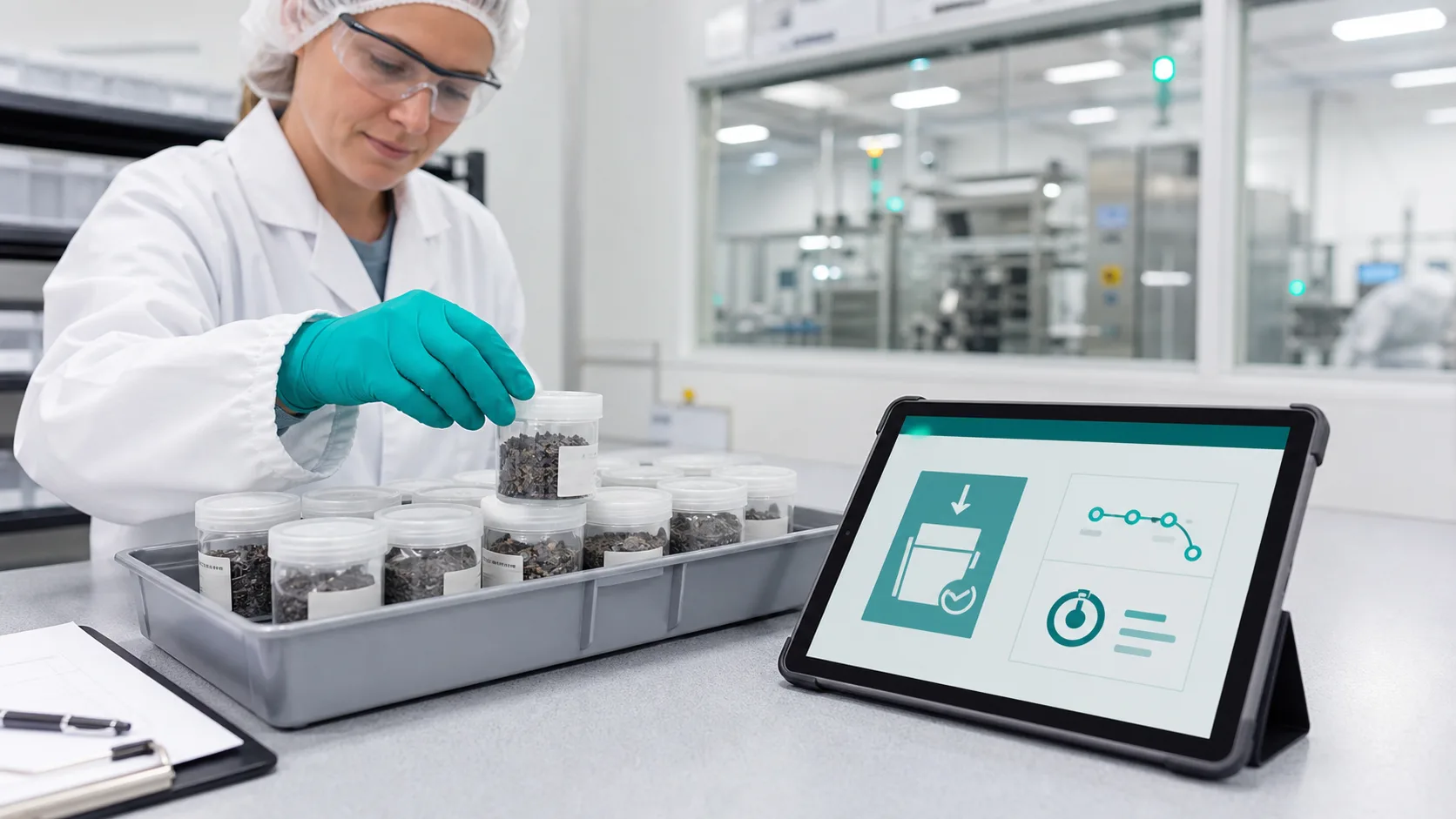
Where you are today
One bill of materials, every version accounted for
A part number can have several versions of its bill of materials, exploded level by level to the bottom. Each version has an effective date and an end date: old versions stay on file, and new ones take effect on their date. Feeder lists and packaging specs hang off the same part number.
- Multi-version, multi-level bills of materials
- Effective and end dates on every version
- Feeder lists and packaging specs on the part number
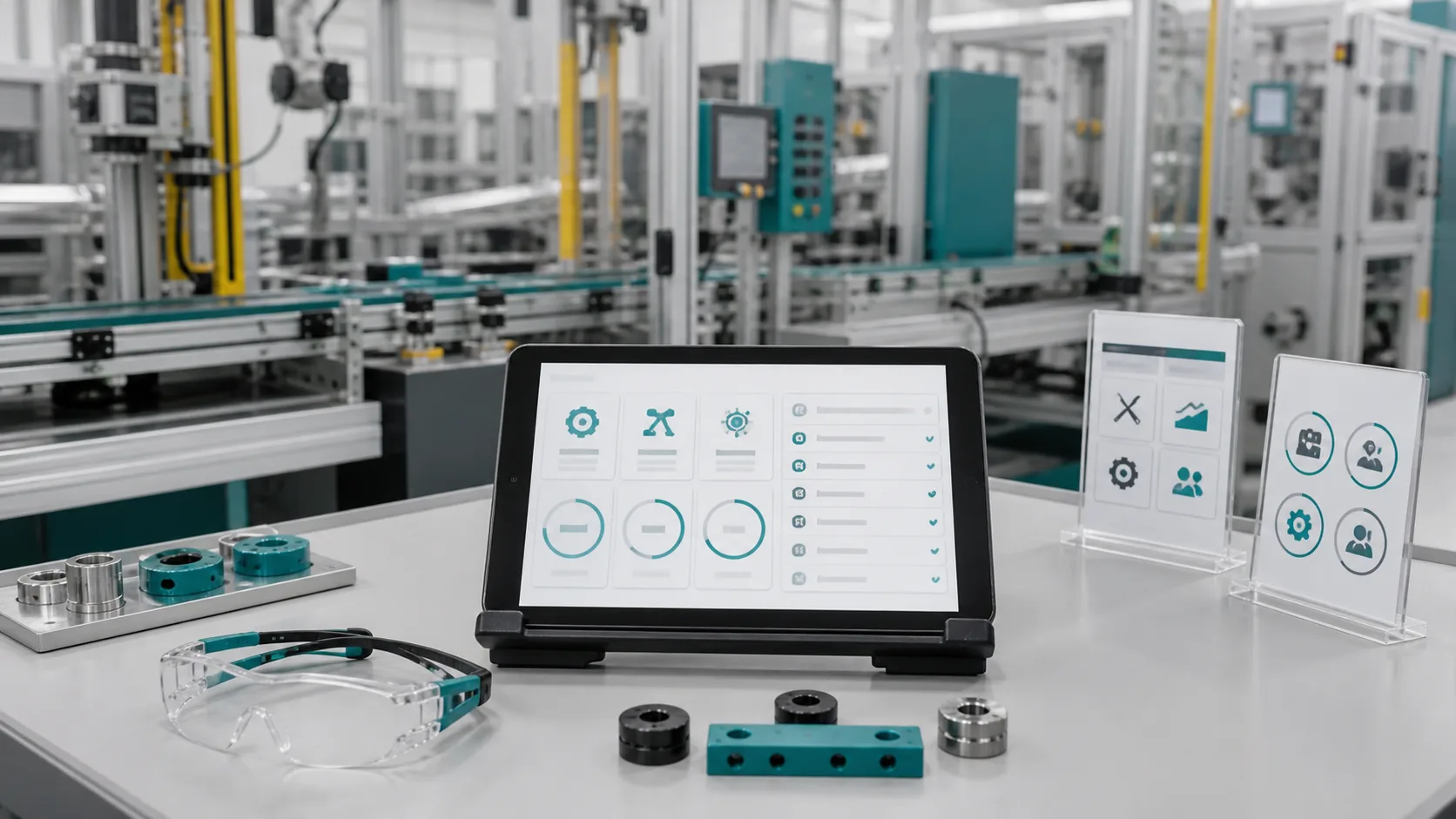
Routings and recipes: how you make it, written into the system
Assembly and machining plants lay out routings: which stations, and where work can branch and run in parallel. Food and process plants write production recipes. Process parameters and control plans for each station go in too, so the veterans' know-how stays when people change.
- Routings with parallel branches
- Production recipes
- Process parameters and control plans
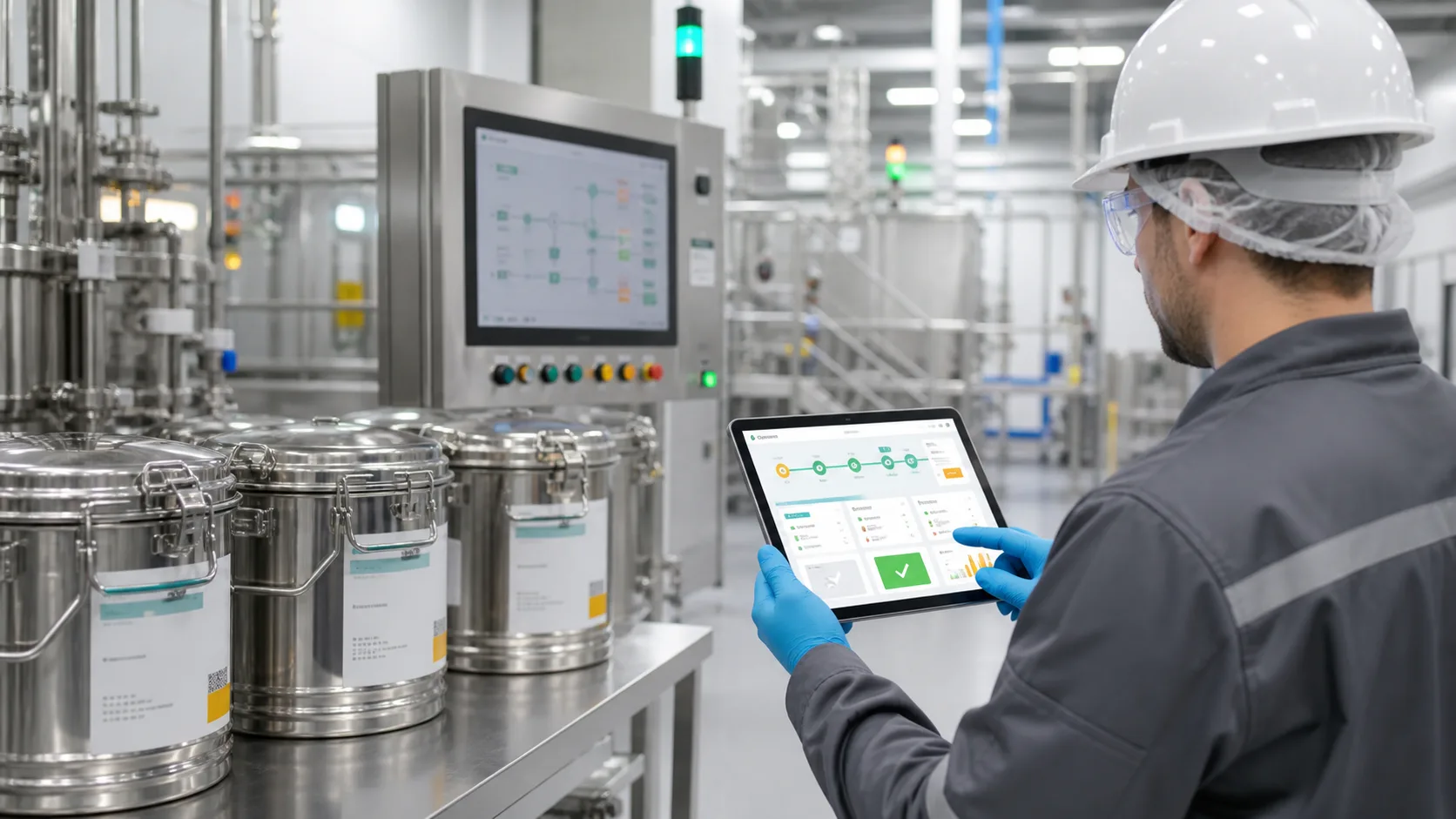
Work instructions take effect only after approval
Work instructions and inspection instructions carry versions and take effect only after review and approval, so it's clear which version applied when. Controlled documents record who acknowledged them and which ISO clause they map to.
- Versioned work and inspection instructions with effective periods
- Effective only after review and approval
- Controlled-document acknowledgments and ISO clause mapping

From concept to end of life, every stage on record
Concept, design, new product introduction, mass production, sustaining, end of life: who approved each stage and when it passed are on record. Before mass production, run a readiness check to see whether the bill of materials, routing and work instructions are complete.
- Six product lifecycle stages with approval records
- Mass production readiness check
- Manufacturing models tracked from draft to released and frozen
- Dedicated engineering change orders Status:Coming Q1 2027
Legend:Available nowComing Q1 2027








FAQ
-
Is this PLM?
It covers the engineering data side: versions and effective dates for bills of materials (BOM), routings, recipes and work instructions, plus the product lifecycle from concept to end of life with approval records, on the same data as production, quality and documents. Designers keep drawing in the design software they use today, and drawings can be attached to the part number.
-
How do engineering changes work today?
Through new versions plus approval: to change a material or a method, create a new version of the bill of materials or work instruction, set its effective date and send it for approval; it takes effect once approved, and the old version stays on file. A dedicated engineering change order (also called an ECN) is coming in Q1 2027.
-
Can it handle both a food plant's recipes and an assembly plant's bills of materials?
Yes. Assembly and machining plants use multi-level bills of materials and routings; food and process plants use production recipes and process parameters. One system, each with its own ready-made approach.
Turn your potential into tomorrow's edge.
The first step is small: tell us how you run things today. We map it for free and tell you where to start. No pitch for the whole system.
After go-live: when engineering revises something, purchasing, the floor and quality all see the same version, and you can tell a customer exactly when it changed. Start with engineering data alone; add production and quality later.
Book a free assessment